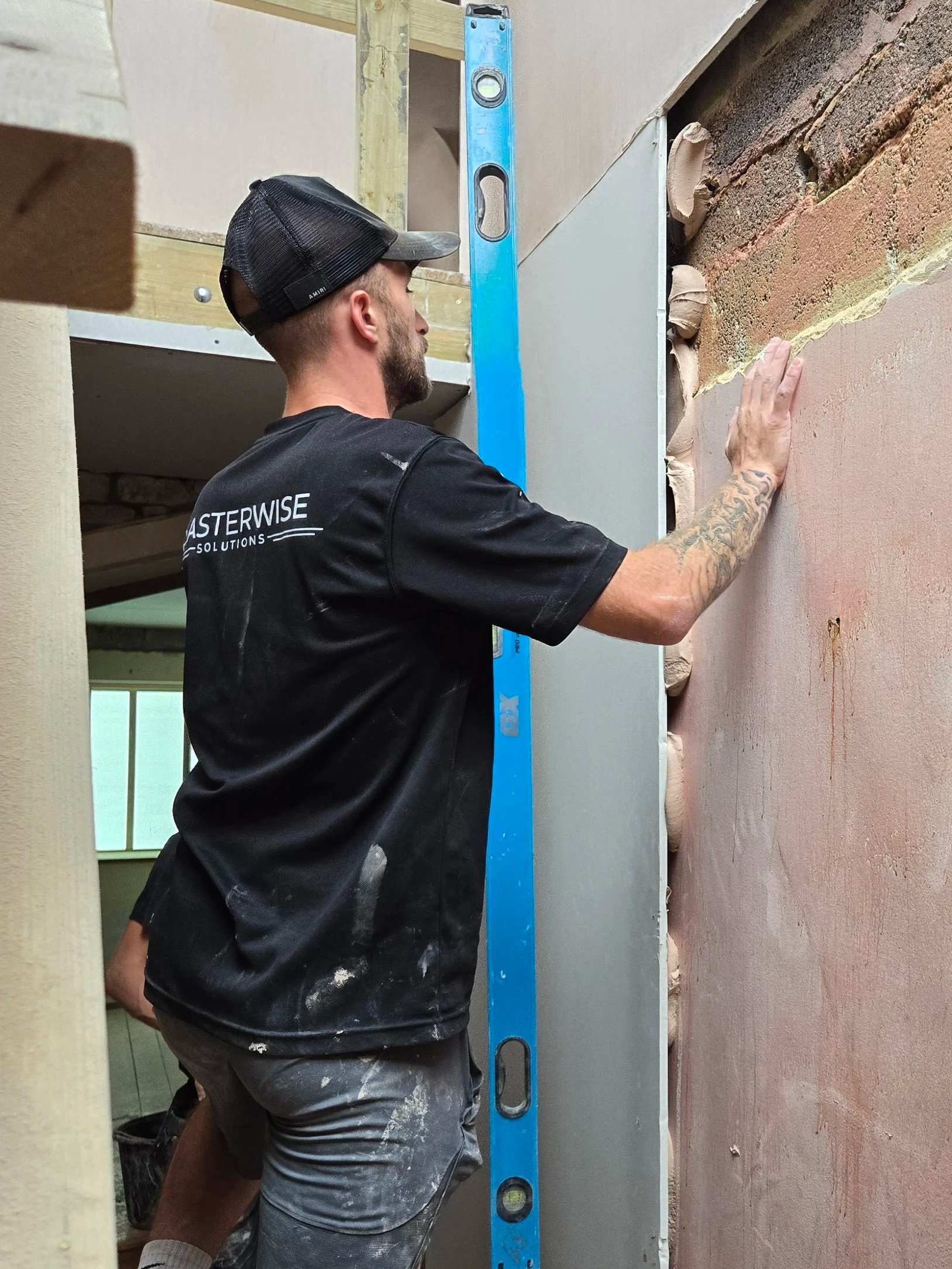
Cracked Plaster in Bristol – What Causes It and When Should You Fix It?
Cracked plaster is something most homeowners in Bristol will encounter at some point, whether in period properties in Clifton or more modern homes across areas like Bradley Stoke and Filton. While it can be tempting to ignore small cracks, they are often an early warning sign that something beneath the surface is changing. In many cases, cracks develop gradually and go unnoticed until they begin to spread or become more visible after decorating.
Bristol’s mix of older housing stock and varying ground conditions means that plaster movement is fairly common. Properties that have been standing for decades naturally settle over time, and this slow movement can cause plaster to shift and crack. While not every crack indicates a serious issue, understanding what is normal and what needs attention is key to maintaining your property.
The Most Common Causes of Cracks
There are several reasons why plaster cracks appear, and identifying the cause is the first step in deciding how to deal with them. One of the most common causes in Bristol homes is natural settlement. As buildings age, minor structural adjustments occur, which can lead to fine cracks appearing around door frames, ceilings and corners.
Temperature changes also play a role, particularly in properties that experience fluctuating heating levels. Materials expand and contract with temperature, and plaster is no exception. In some cases, poor workmanship from previous plastering jobs can lead to cracking, especially if the surface was not properly prepared or the plaster was applied incorrectly.
In certain situations, cracks may be linked to more significant issues such as movement in the building structure. While this is less common, it is something that should always be considered if cracks are wide, recurring or increasing in size over time.
When Is a Crack Just Cosmetic?
Not all cracks are a cause for concern, and many are purely cosmetic. Hairline cracks are often the result of normal settling and can usually be repaired easily without any deeper issues. These types of cracks are commonly seen in ceilings or along joints where different materials meet.
However, it is important to monitor these cracks over time. If they remain stable and do not grow, they are unlikely to indicate a serious problem. On the other hand, if cracks widen, reappear after repair or are accompanied by other signs such as sticking doors or uneven floors, further investigation may be needed.
Homeowners in areas like Bedminster, Bishopston and Horfield often notice these smaller cracks after redecorating, as fresh paint can highlight imperfections that were previously less visible.
The Importance of Proper Repair
Repairing cracked plaster is not simply about filling the gap and painting over it. While this may provide a temporary improvement, it rarely addresses the underlying cause and often leads to the crack returning. A proper repair involves preparing the area, stabilising the surface and applying new plaster in a way that ensures durability.
Professional plasterers take the time to assess the condition of the surrounding area and use appropriate methods to reinforce the repair where necessary. This may involve removing loose material, applying bonding agents and re-skimming the surface to create a consistent finish.
In Bristol’s competitive property market, the condition of interior walls can make a significant difference to how a home is perceived. Smooth, well-finished walls not only improve the appearance of a space but also add to its overall value.
Local Factors That Affect Plaster in Bristol
Bristol’s environment can also contribute to plaster issues. Variations in humidity, particularly in older properties without modern ventilation, can affect how plaster behaves over time. Areas closer to the river or with higher moisture levels may experience more frequent issues with wall surfaces.
Additionally, the wide range of building styles across Bristol means that different properties behave differently. Georgian and Victorian homes, commonly found in areas like Redland and Cotham, often have solid walls and traditional plaster, which reacts differently compared to newer plasterboard constructions.
Understanding these local factors allows for more effective and long-lasting repairs, as the approach can be tailored to the specific type of property.
Do You Need Professional Plastering or Rendering Services in North Bristol?