Damp Walls in Bristol – What Homeowners Need to Know Before Repairing Plaster
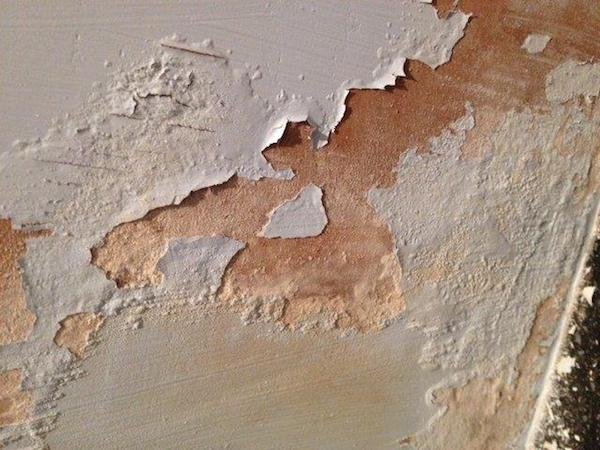
Damp Walls blister and crumble
Damp walls are a frequent issue in many Bristol properties, particularly in older homes found in areas such as Clifton, Totterdown and St Andrews. The city’s climate, combined with the age and construction of many buildings, creates conditions where moisture can easily affect internal walls.
Older properties were often built using materials and methods that differ from modern construction, meaning they may be more susceptible to moisture penetration. Over time, this can lead to visible damage to plaster, as well as more subtle issues that develop beneath the surface.
Understanding why damp occurs is essential before attempting any form of repair, as treating the symptoms without addressing the cause will only lead to recurring problems.
Recognising the Early Signs of Damp
Damp does not always present itself immediately as severe damage. In many cases, the early signs are relatively subtle and easy to overlook. Discolouration on walls, slight peeling of paint or a faint musty smell can all indicate that moisture is present.
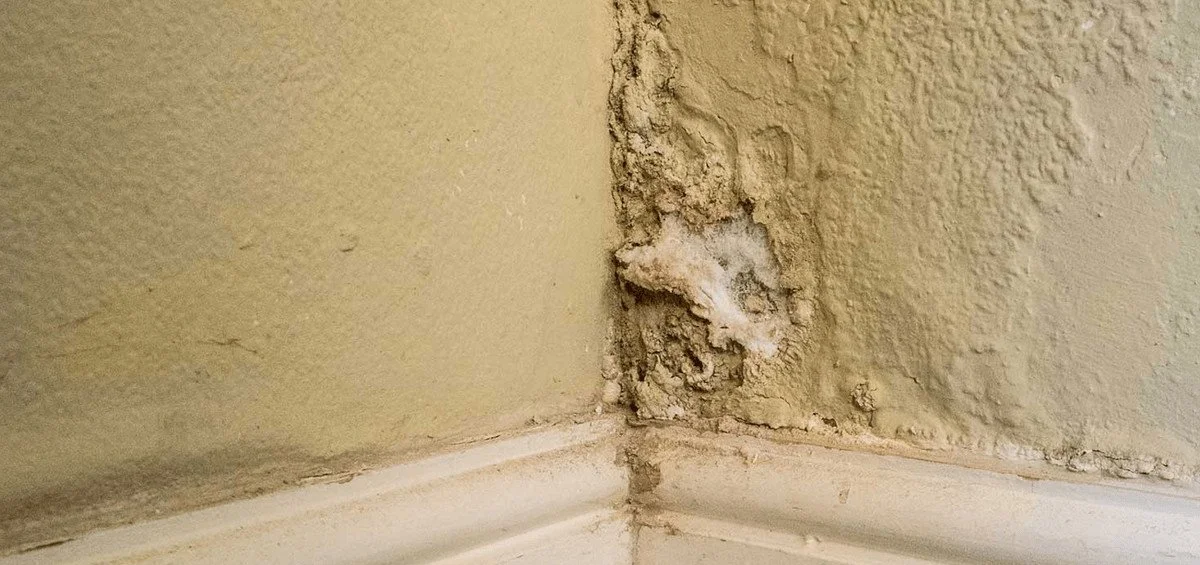
As the issue progresses, more obvious signs begin to appear. Plaster may start to bubble, crack or crumble, and patches of mould can develop, particularly in areas with poor ventilation. These problems are often more noticeable in rooms such as kitchens, bathrooms or external-facing walls.
Homeowners in areas like Fishponds and Kingswood often encounter these issues during colder months, when condensation and reduced airflow contribute to increased moisture levels.
The Different Types of Damp
There are several types of damp that can affect a property, each requiring a slightly different approach. Rising damp occurs when moisture travels up from the ground through the walls, while penetrating damp is caused by water entering from outside due to issues such as damaged brickwork or gutters.
Condensation is another common form of damp, particularly in homes with inadequate ventilation. This type of damp often appears on colder surfaces and can lead to mould growth if not managed properly.
Identifying the type of damp is crucial, as it determines how the issue should be treated. Without this understanding, any plaster repair is unlikely to be effective in the long term.
Why Simply Replastering Is Not Enough
One of the most common mistakes homeowners make is attempting to repair damp walls by simply replastering over the affected area. While this may improve the appearance temporarily, it does not solve the underlying problem and often leads to the damage returning.
Moisture trapped within the wall will continue to affect the new plaster, causing it to deteriorate in the same way as before. Proper preparation is essential, which may involve removing damaged material, allowing the wall to dry and ensuring that any source of moisture has been addressed.
Taking the time to deal with the root cause ensures that the repair is not only visually effective but also long-lasting.
The Impact of Damp on Your Home
Damp walls can have a significant impact on both the appearance and condition of a property. Visually, damaged plaster and staining can make a space feel neglected and reduce its overall appeal. Structurally, prolonged exposure to moisture can weaken materials and lead to more extensive repairs.
There are also potential health considerations, particularly where mould is present. Poor air quality can affect comfort within the home and may be a concern for those with respiratory conditions.
For homeowners in Bristol, maintaining a dry and well-ventilated property is an important part of preserving both the building and the living environment.
Do You Need Professional Plastering or Rendering Services in North Bristol?